All home EV charging guides
Every guide on HomeCharging.org, grouped by topic. Start with home charging if you're setting up a garage or driveway.
Home charging
Outlets, circuits, power levels and what charging at home really costs.
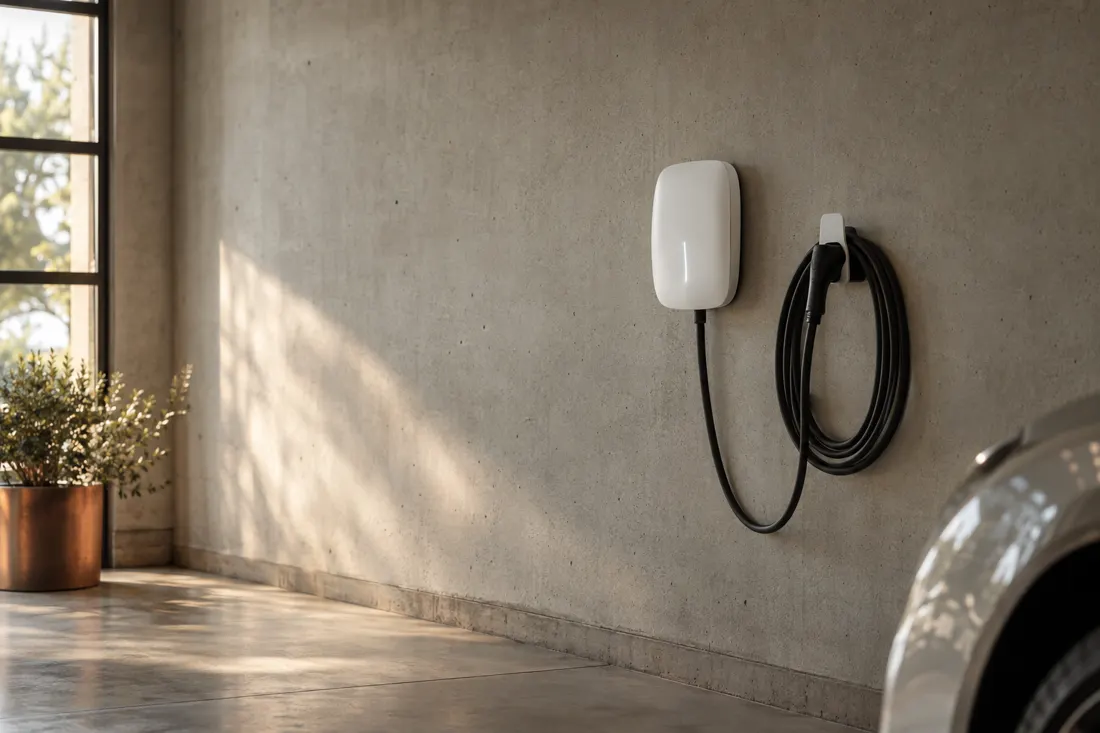
Level 2 home EV chargers compared: 5 ENERGY STAR models by amps, cord and app
Five certified chargers side by side, with the circuit each one needs.
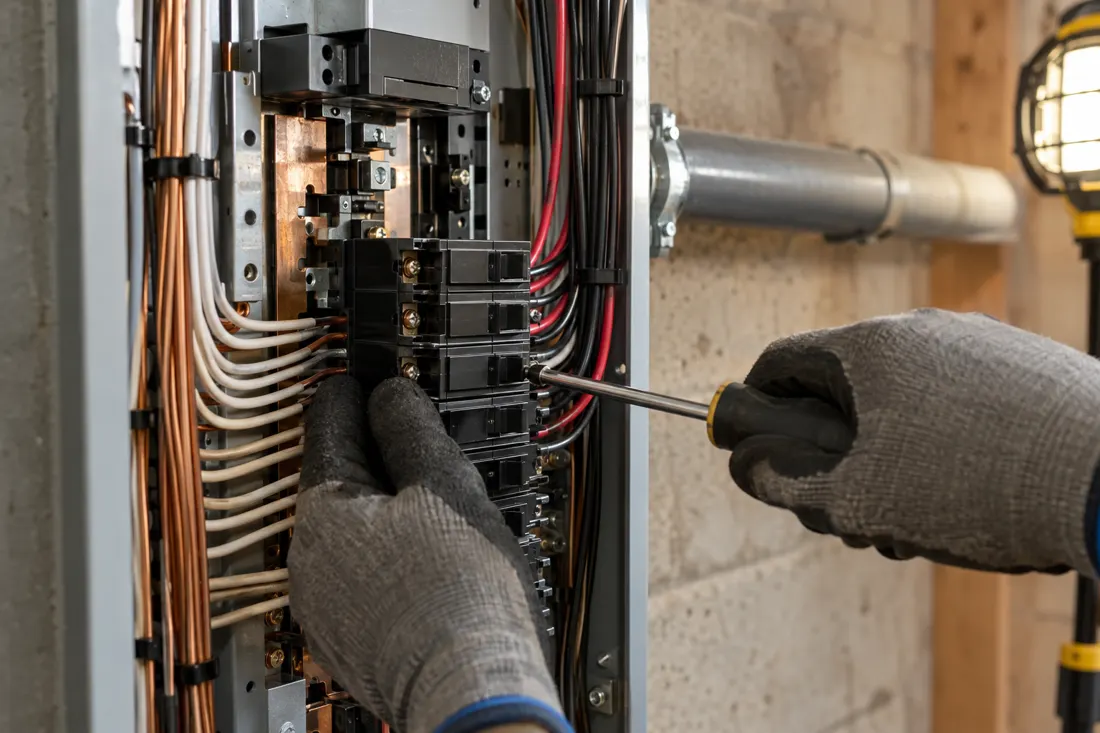
Level 2 charger installation: circuit size, permits and what drives the cost
Breaker size chart, plug-in vs hardwired, permits and federal cost ranges.
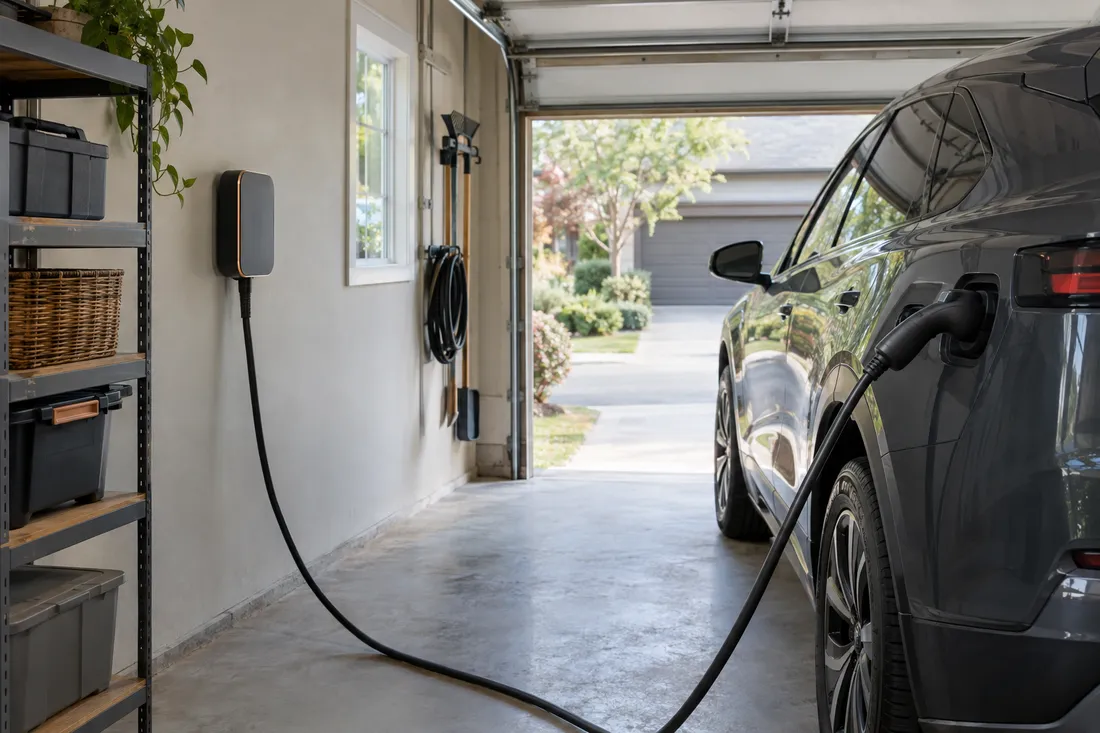
Is a 7 kW home charger fast enough for your EV?
A 7 kW Level 2 charger is enough for many drivers who park at home overnight. Your actual miles per hour depend on the car, its charging limit, and how much energy you need to replace.
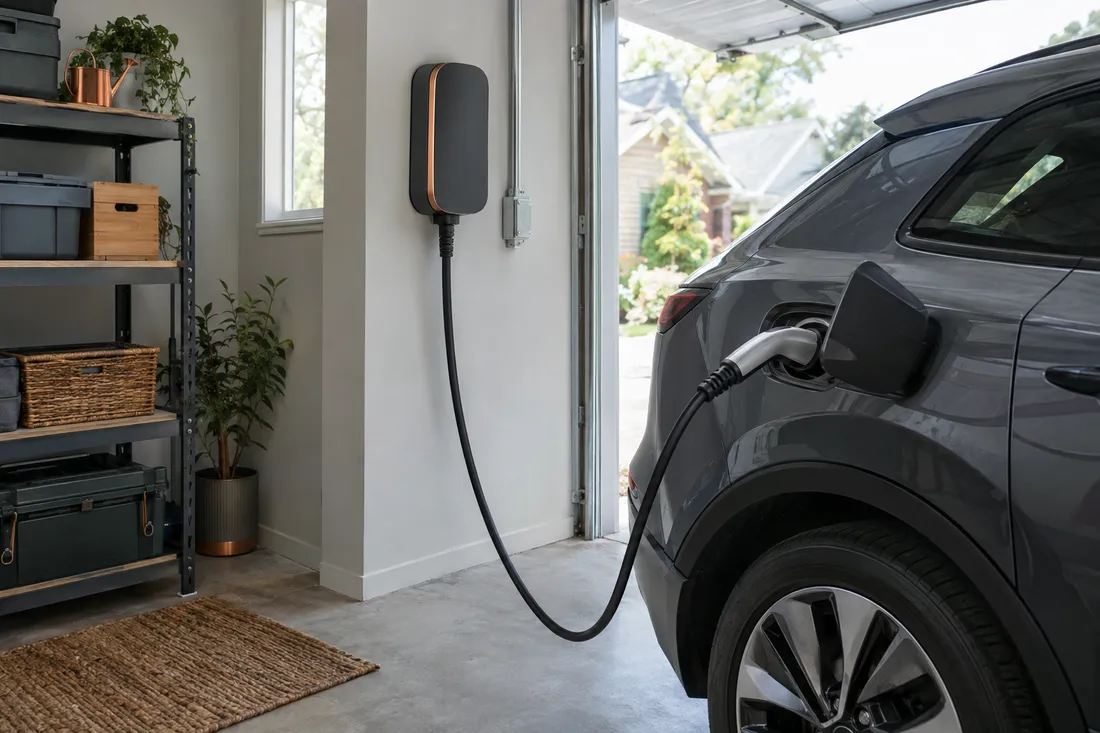
22 kW vs. 11 kW Charging: Which Power Level Does a U.S. Home Need?
For most U.S. homes, an 11.5 kW Level 2 charger is a more realistic target than 22 kW AC charging. Your home’s electrical service and your EV’s onboard charger determine how much power you can actually use.
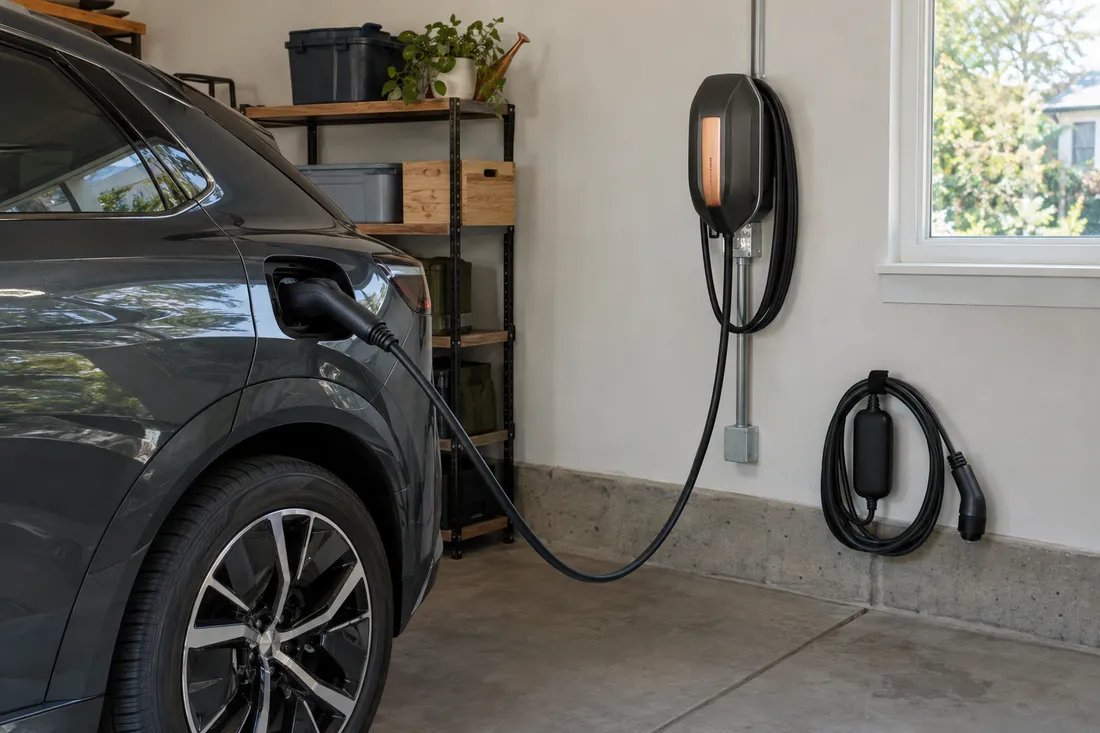
Level 1 vs. Level 2 home charging: which one is right for you?
Level 1 can cover many drivers’ daily miles using an existing, suitable household outlet. Level 2 adds range faster, but buying and installing equipment can cost more.
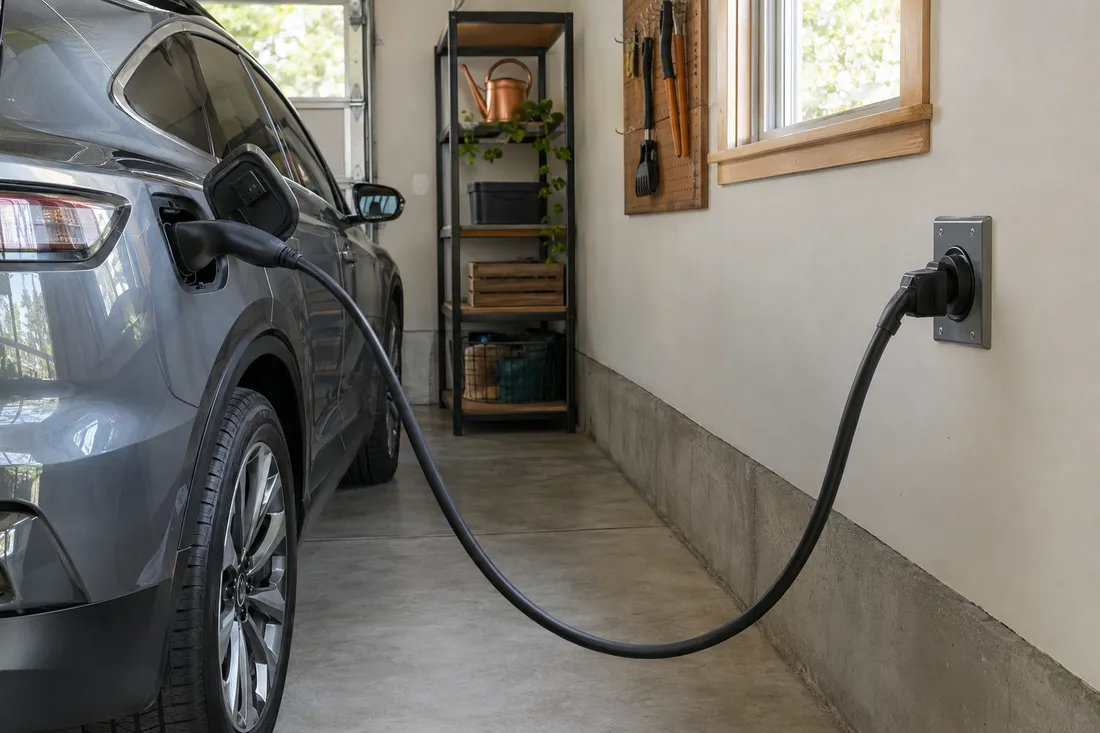
Can you charge an EV from a NEMA 14-50 outlet?
A compatible outlet can let you charge with a portable connector, but the outlet, circuit and vehicle all affect charging speed and safety. Here’s what Tesla lists for common outlets and what to ask an electrician before plugging in.
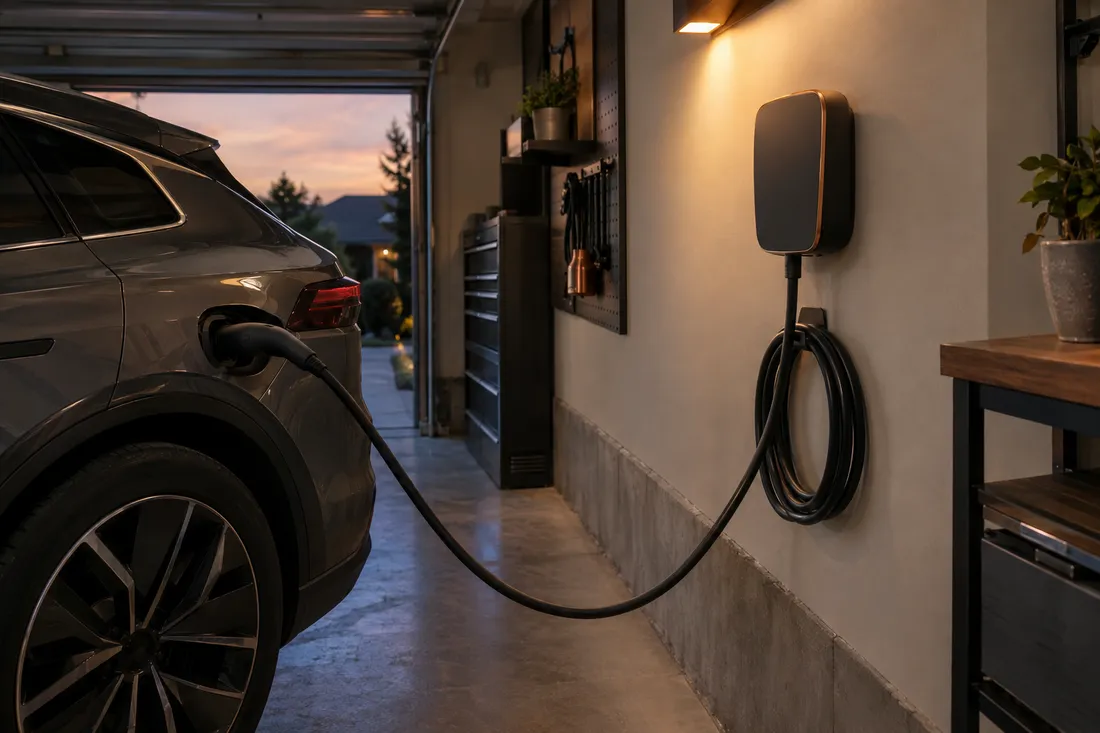
How much does it cost to charge an EV at home?
Your home charging cost depends on how far you drive, how efficiently your EV uses electricity and what your utility charges. Use the formula and examples below to estimate your own bill.
Charging speed
kW, amps and volts in plain English, and what speeds up or slows down a charge.
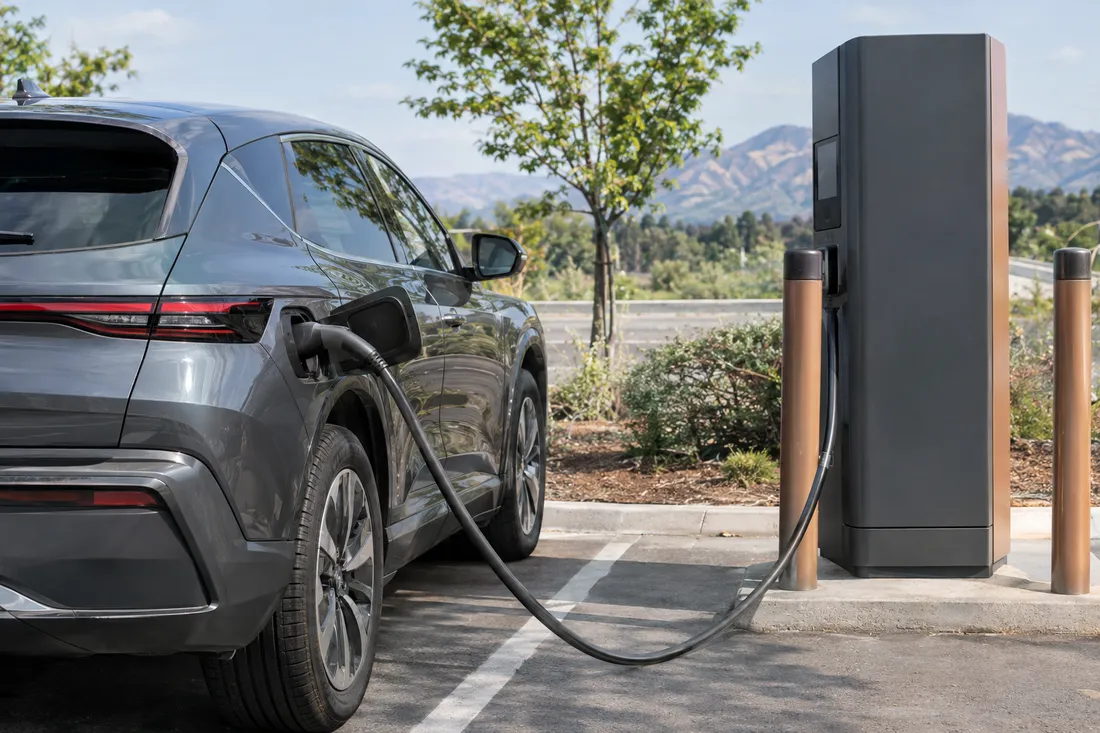
How fast is a 50 kW DC charger in real-world use?
A 50 kW rating is the charger’s maximum power, not a promise that your EV will receive that power for the whole stop. Use the energy math as a best-case guide, then account for your battery’s charge level and conditions.
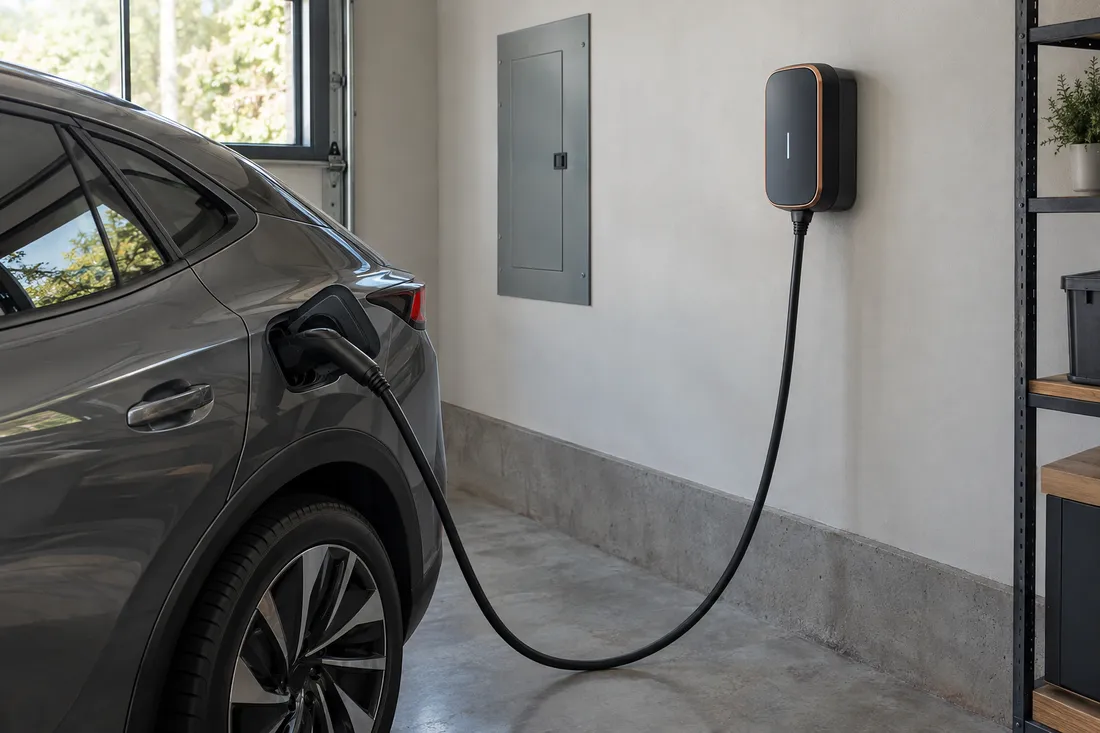
EV charging speeds explained: volts, amps, kW and kWh
Volts and amps help determine charging power; kW describes that power, while kWh measures the energy your battery stores. See how the numbers work at home and why your EV may charge more slowly than the charger’s label suggests.
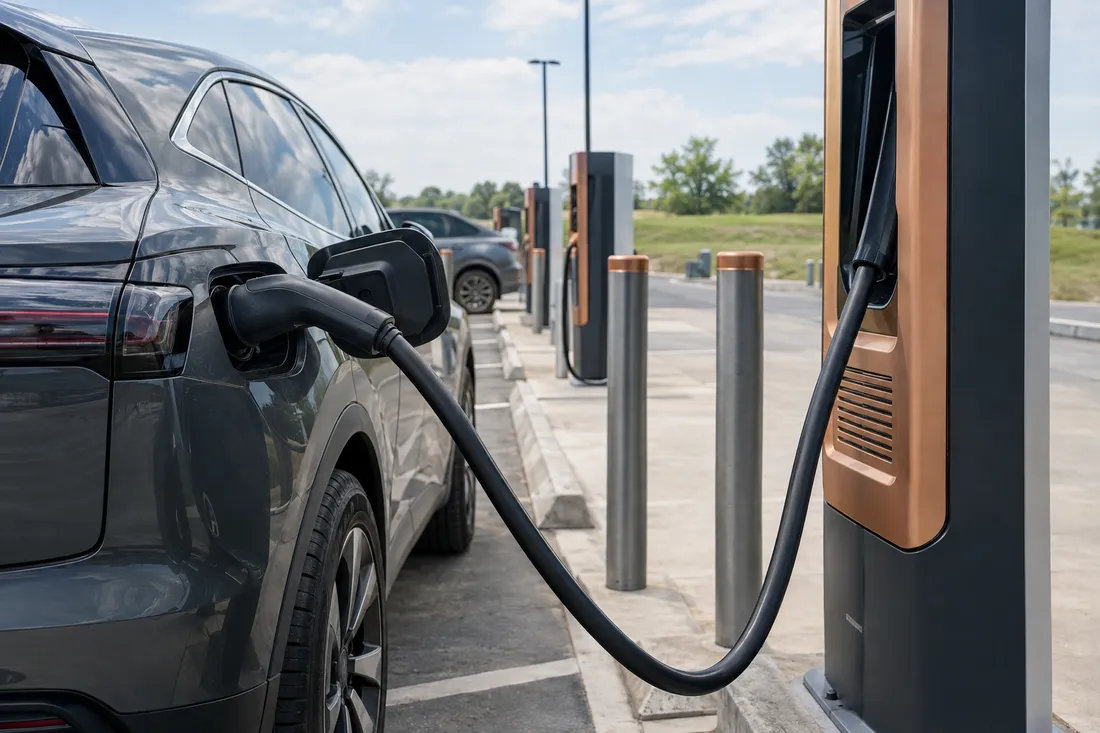
EV charging speed explained: what changes your charge time
A charger’s advertised kW is only one part of the timing equation. The power your EV can accept, how much energy it needs, battery temperature and charge level all matter.
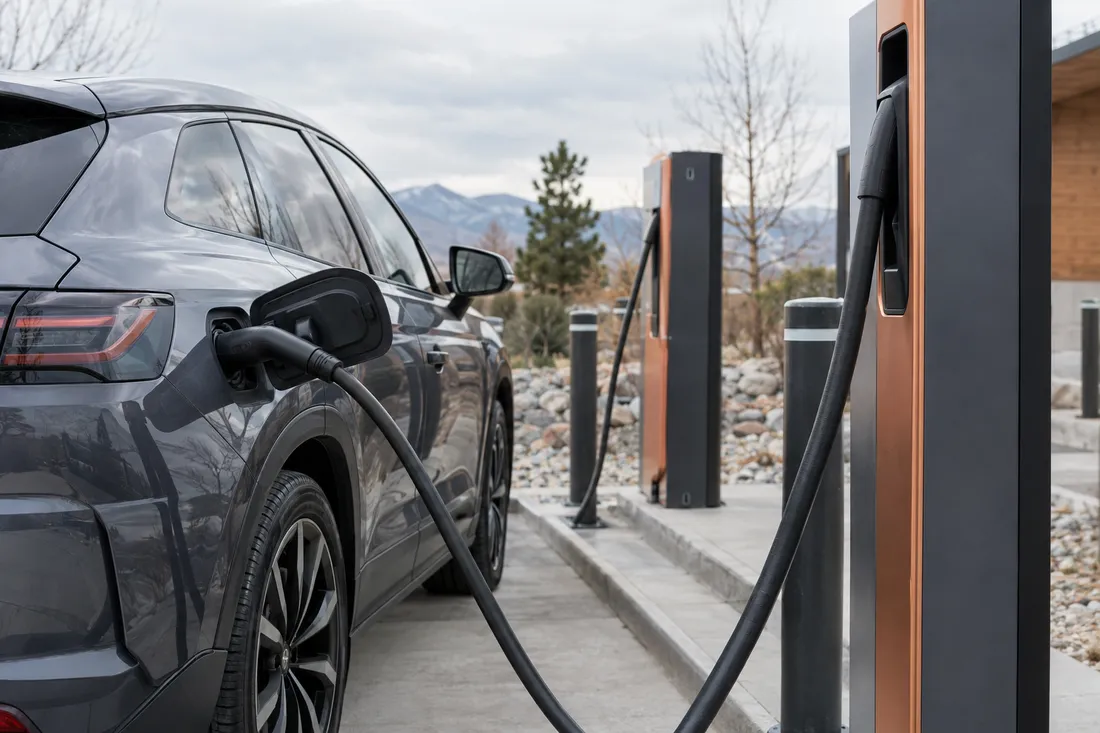
How to maximize EV battery charging speed at home and on the road
The fastest setup is the one that matches your EV’s limits and the time you have. Use a suitable home circuit, warm the battery while plugged in, and plan road-trip stops around the charging curve.
Tesla
Model 3 and Model Y charging, Wall Connector and Mobile Connector fixes.
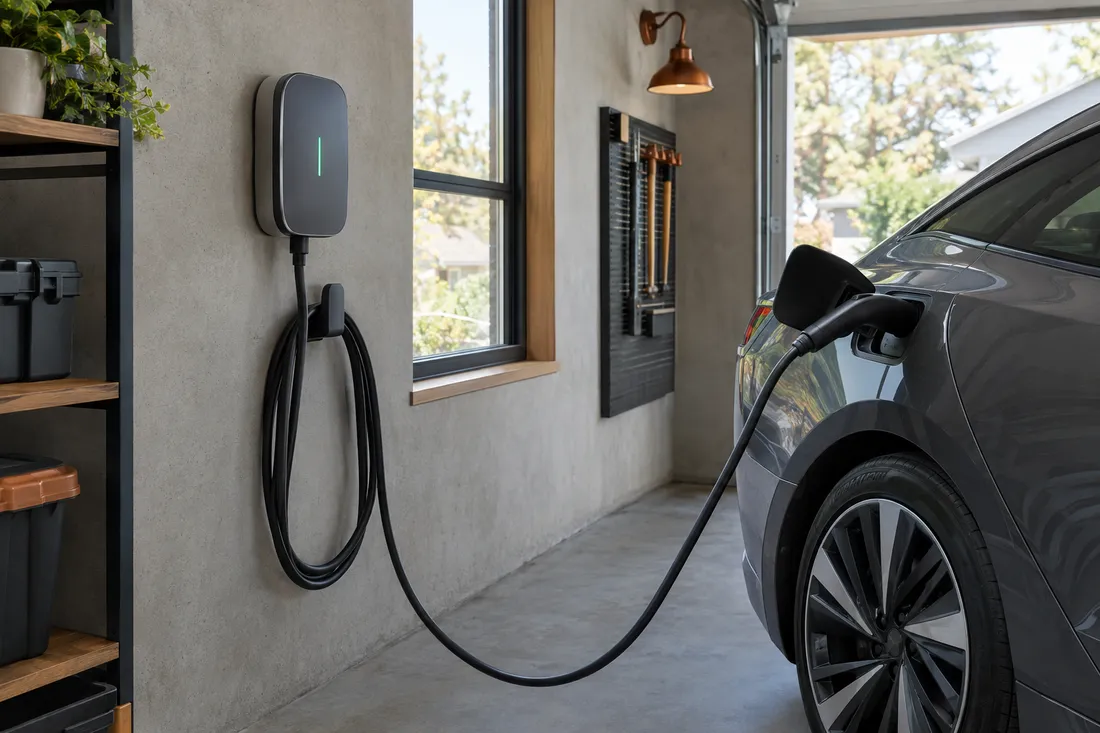
How to fix Tesla charging interruptions at home and on the road
A Tesla charging interruption can come from a vehicle setting, home power issue, or charger fault. Start with safe checks, then narrow down whether the problem follows your car or one charging location.
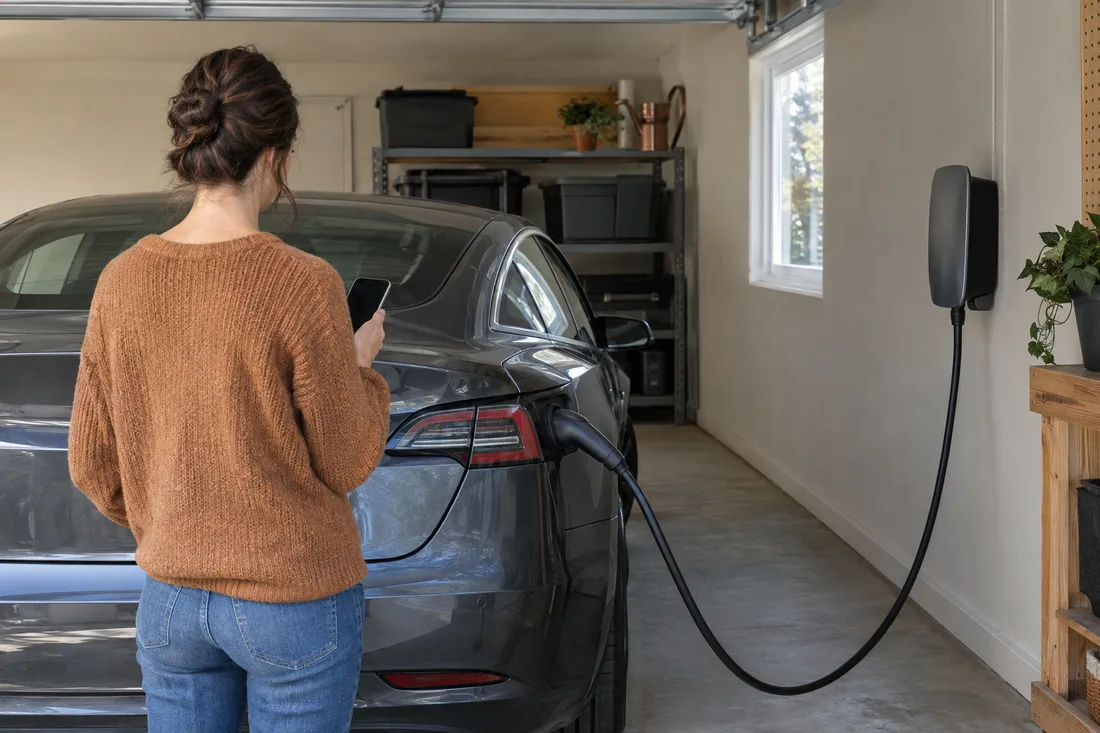
Why your Tesla starts charging, then stops after a few minutes
Short charging sessions at home often point to the power connection, circuit, or a setting—not necessarily a vehicle fault. Work through these checks in order, and stop using any equipment that is hot or damaged.
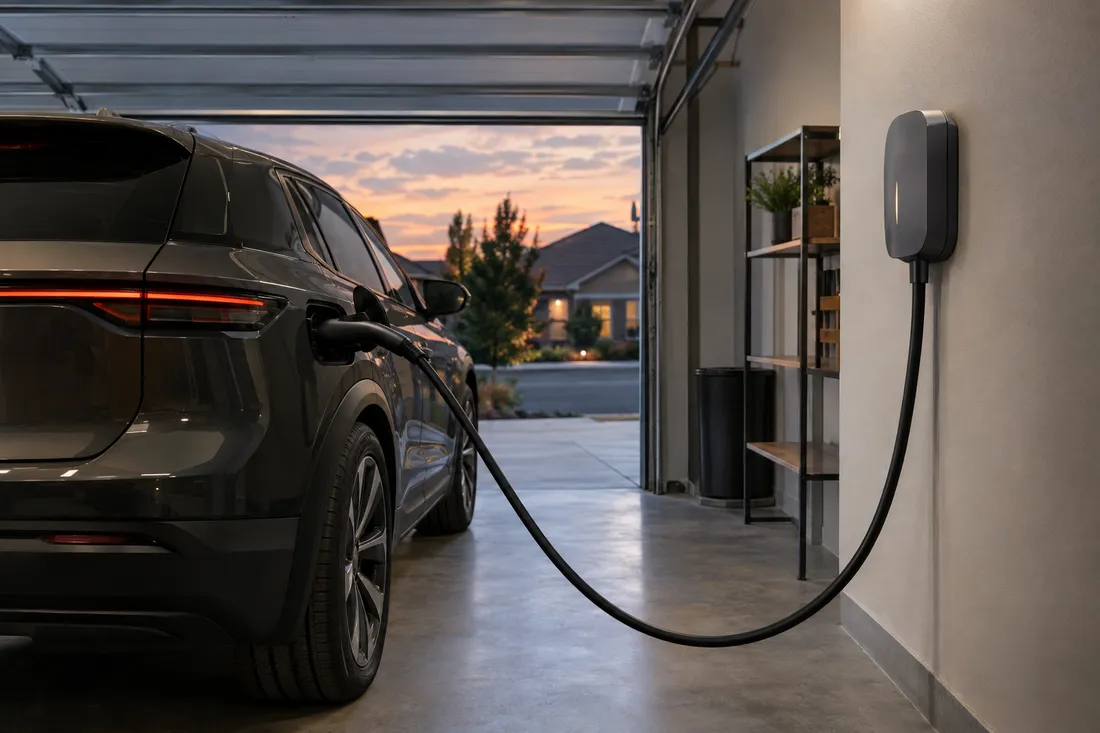
Tesla Model Y charging: home outlets, Supercharging, and road-trip costs
For most Model Y owners, home charging means choosing between a portable Mobile Connector and a permanently installed Wall Connector. Here’s how to compare outlet speeds, plan circuit capacity, estimate electricity costs, and use Superchargers on a trip.
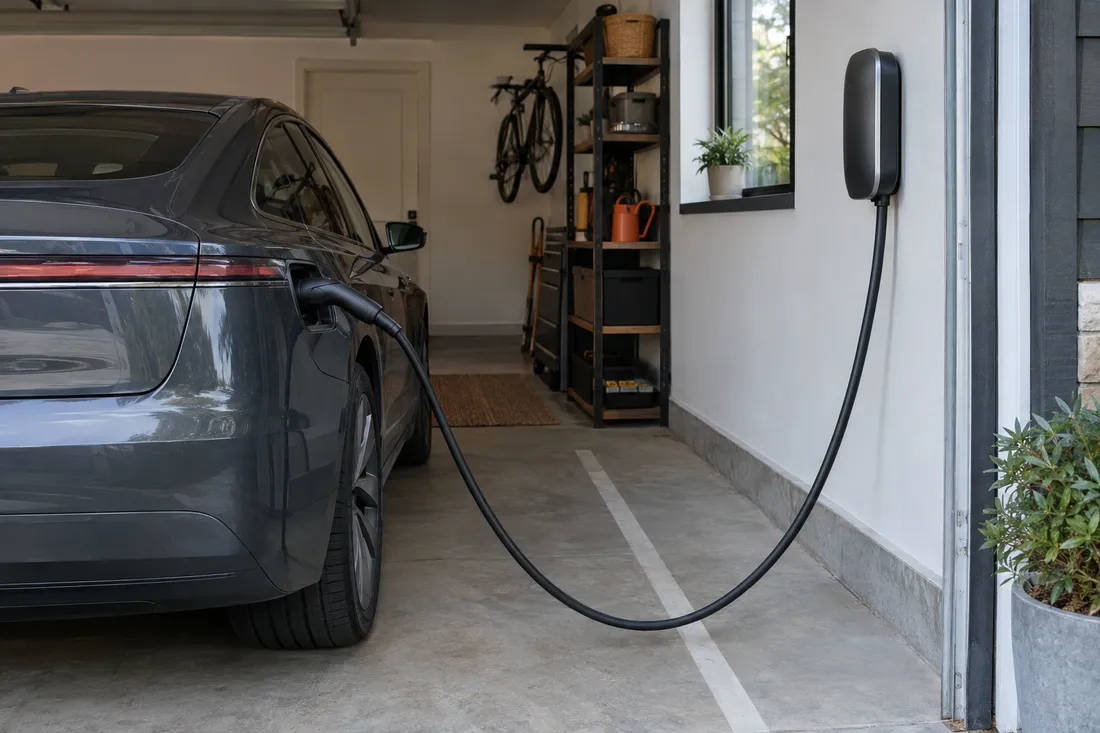
How long it takes to charge a Tesla Model 3
A Model 3 can add range at very different rates depending on the charger. Use the rates below to estimate the time for the miles you need, rather than assuming every charging session is a full charge.
Plugs and standards
J1772, CCS, CHAdeMO and NACS: which plug your car uses and which adapters are allowed.
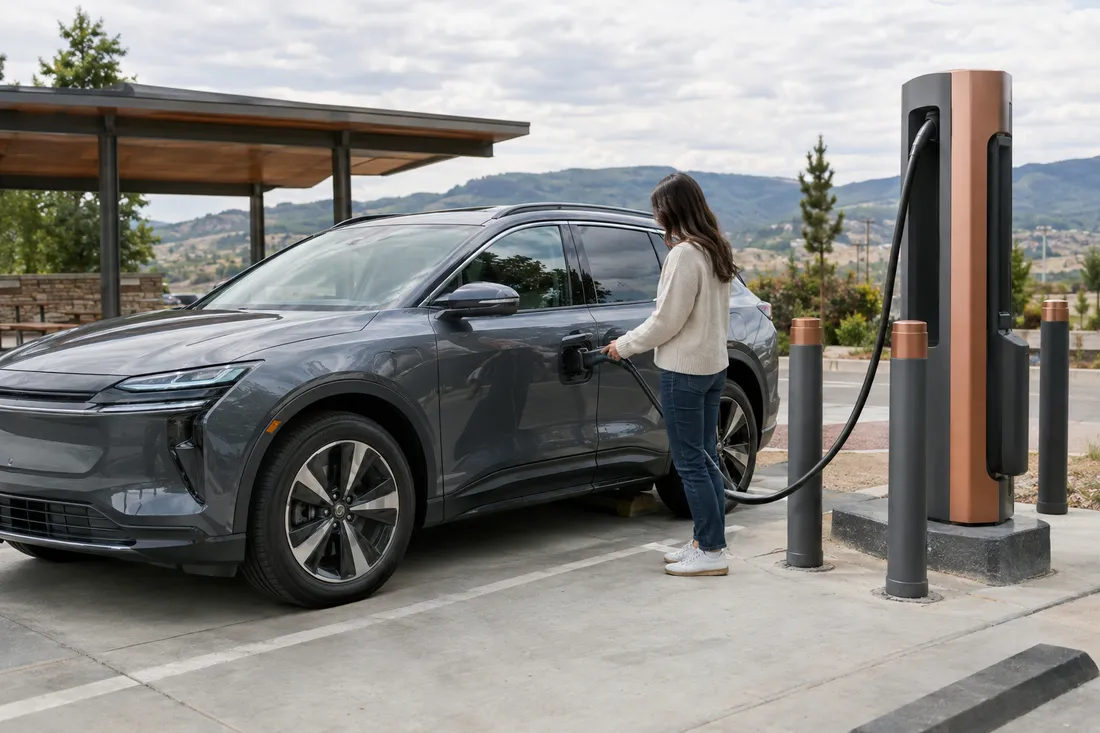
Can non-Tesla EVs use Tesla Superchargers?
Yes, many non-Tesla EVs can use some Tesla Superchargers, but access depends on your vehicle and the specific station. Check the Tesla app and use only an adapter supplied by Tesla or your vehicle’s manufacturer.
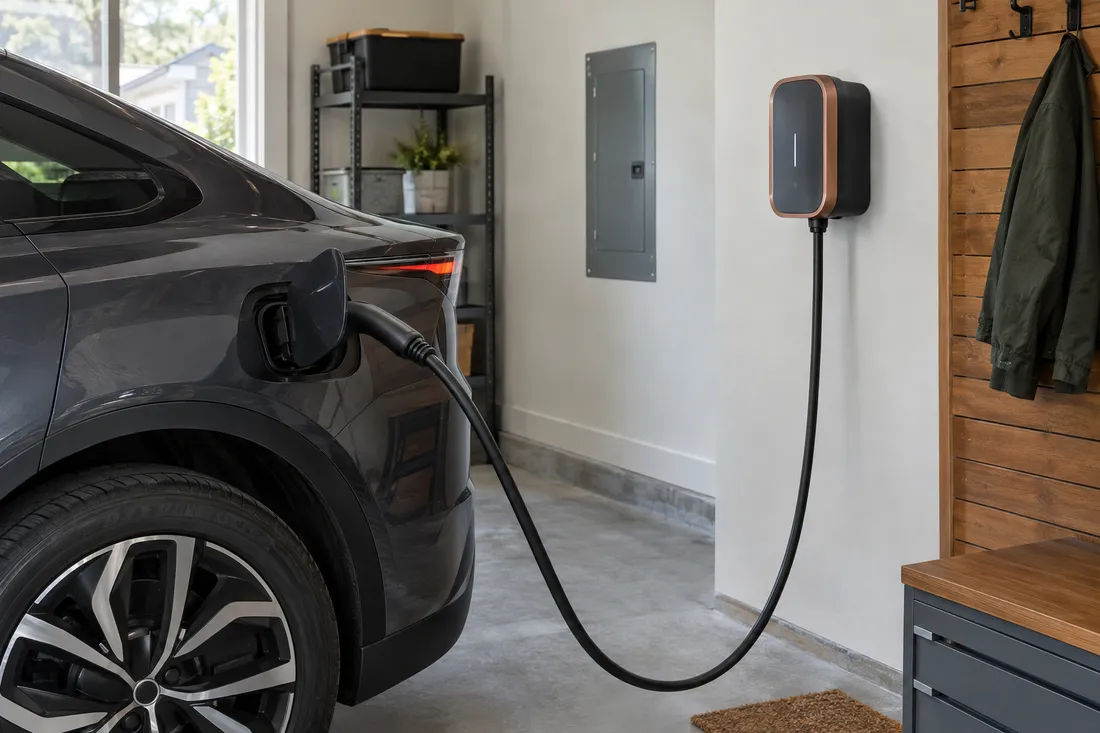
What a J1772 Level 2 charger does and how to choose one
A J1772 Level 2 charger supplies AC power through a widely used North American connector. Here’s how to check vehicle compatibility, match charger amps to a circuit, and plan a safe installation.
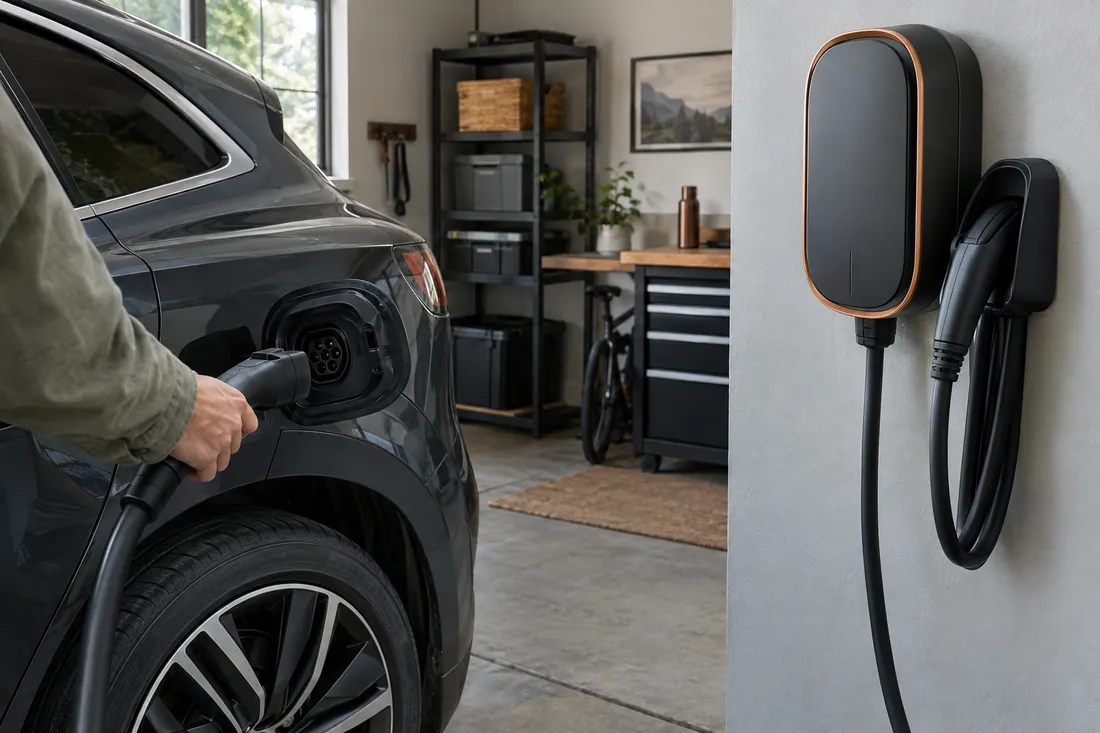
Are EV chargers universal? A guide to plugs, standards, and adapters
EV charging is becoming easier to navigate, but the plug on your car still matters. Here’s how the main North American connectors work, what adapters can and can’t do, and how to make home charging work for different EVs.
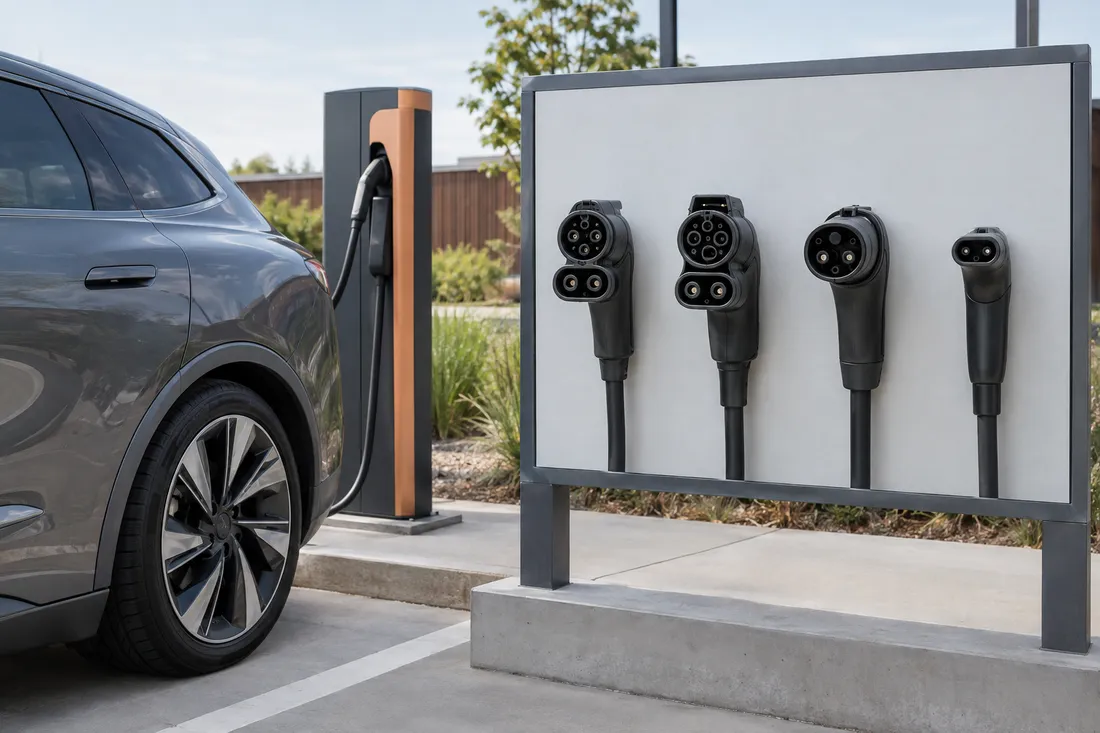
CCS1 vs. CCS2 vs. CHAdeMO: How EV charging plugs compare
CCS combines AC and DC charging in one vehicle inlet, while CHAdeMO is a separate DC fast-charging connector. Here’s how CCS1, CCS2, CHAdeMO, and NACS fit together—and what to check for your EV.
Public charging
Superchargers, Electrify America, pricing models and reading the charger screen.
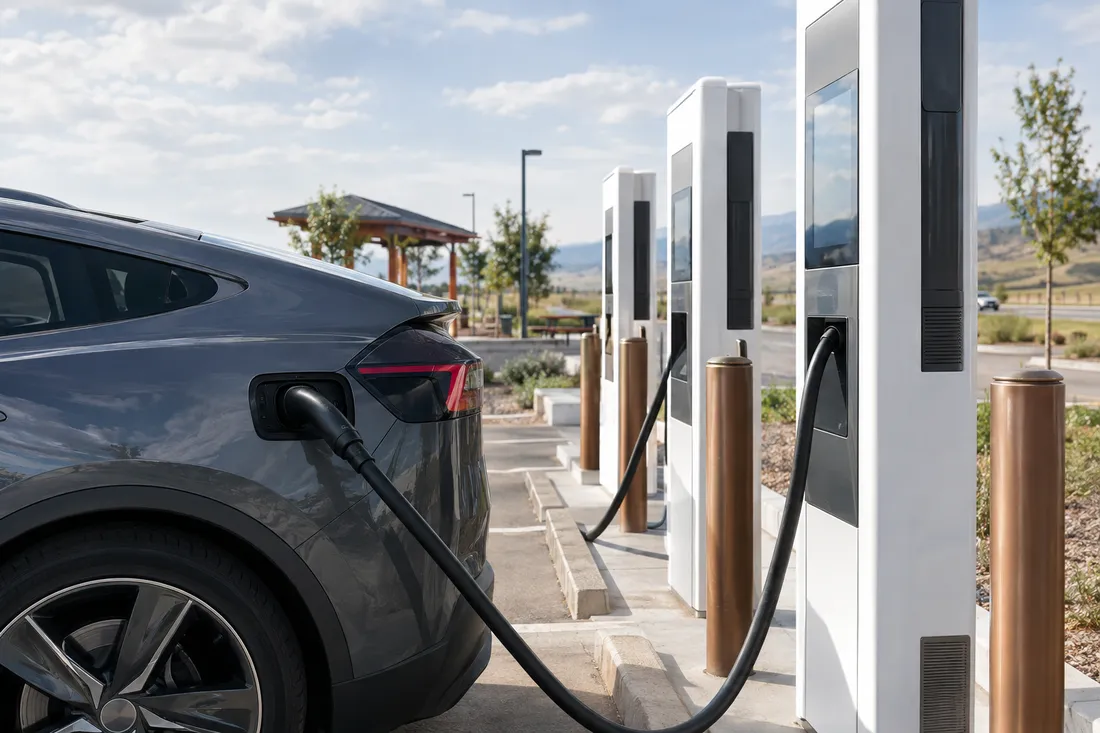
What is a Tesla Supercharger, and how does it work?
A Tesla Supercharger is a DC fast-charging station designed for quick stops on longer trips. Here’s how to find a compatible site, start a session, understand the price, and know when an 80% limit or congestion fee may apply.
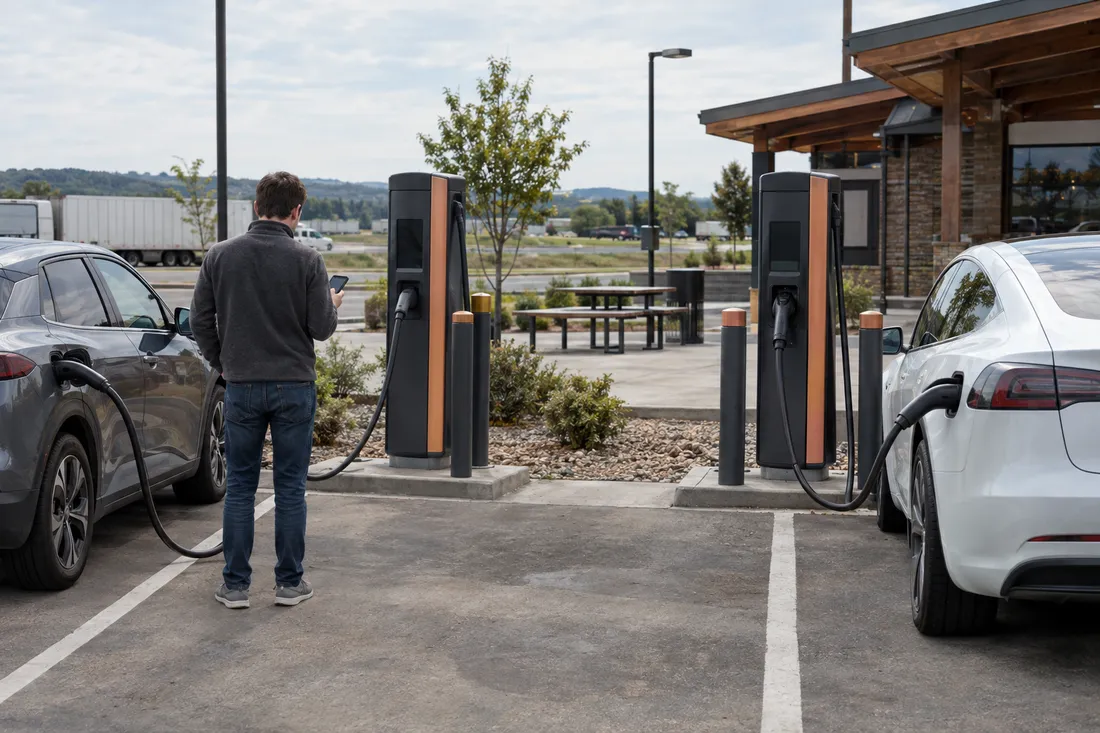
Tesla Supercharger vs. Electrify America: how access, pricing and payment work
The practical difference is how you confirm compatibility and what each network shows before you plug in. Compare connector access, payment steps, plan structures and fees without relying on old prices.
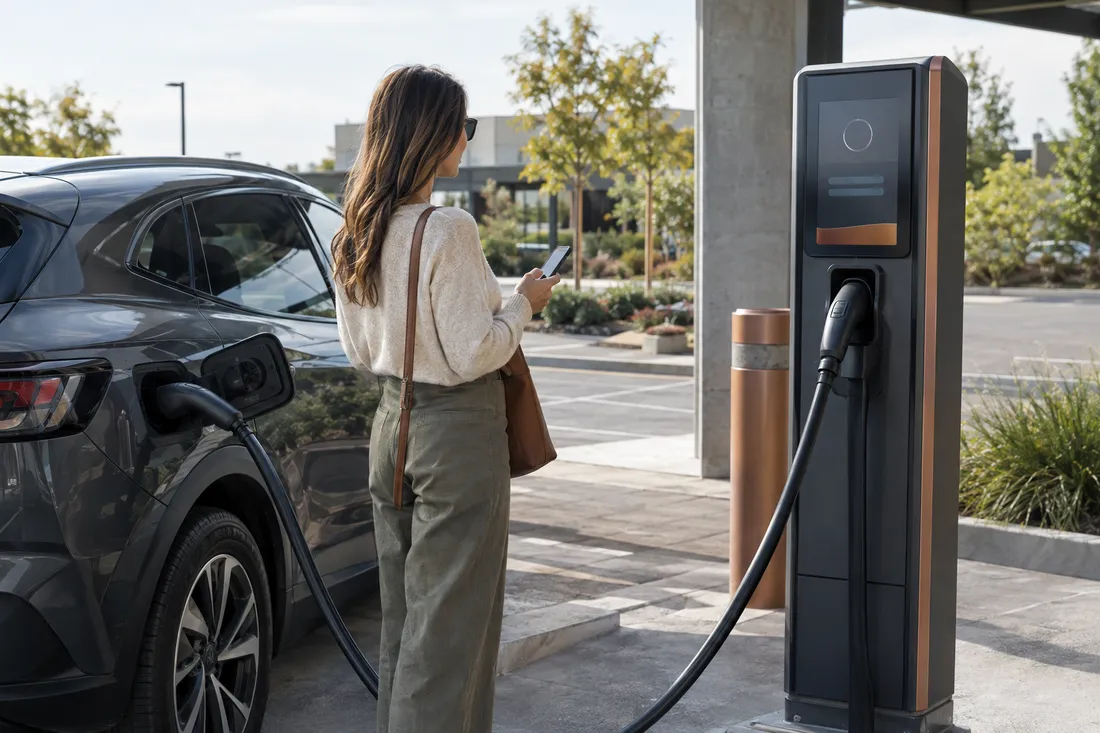
How public EV charging is priced—and how to compare before plugging in
Public charging prices can be based on energy, time, a session, or a subscription—and some public charging is free. Compare the full session cost with a home-charging baseline, not just the headline rate.
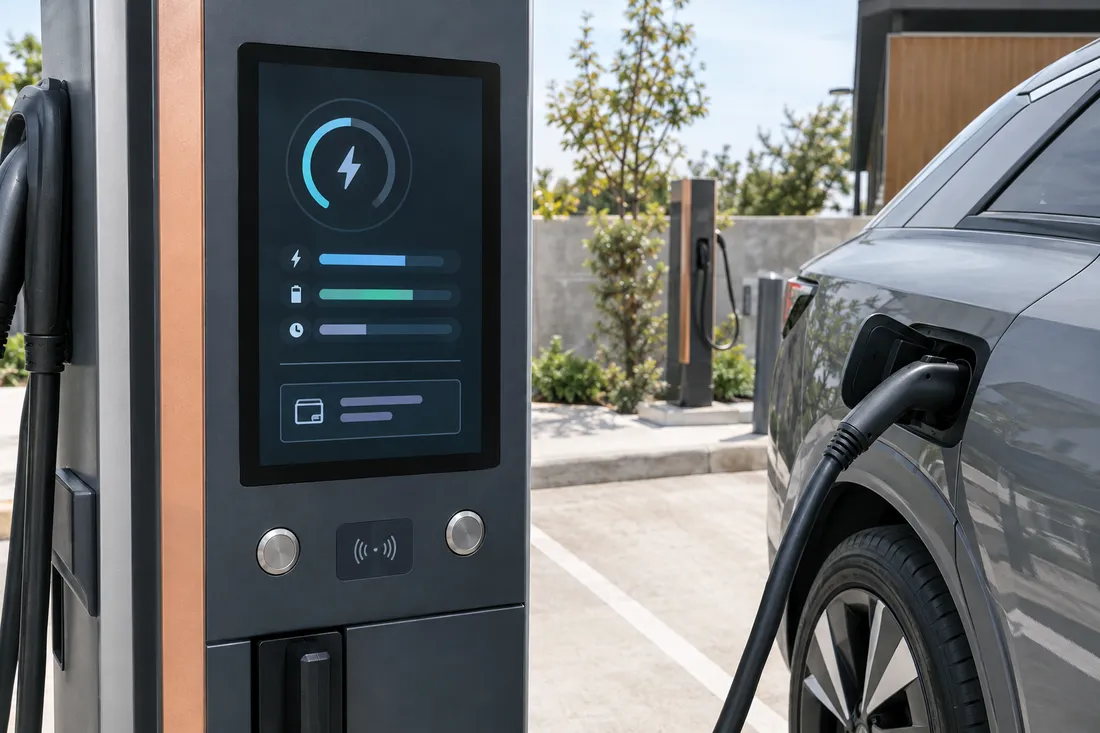
How to read an EV charging station display
Public charger screens can show power, energy delivered, battery percentage, estimated time, price, and session details. Here’s how to interpret those fields—and why the numbers can change while you charge.
Solar and energy
Rooftop and portable solar for EV charging, with the math.
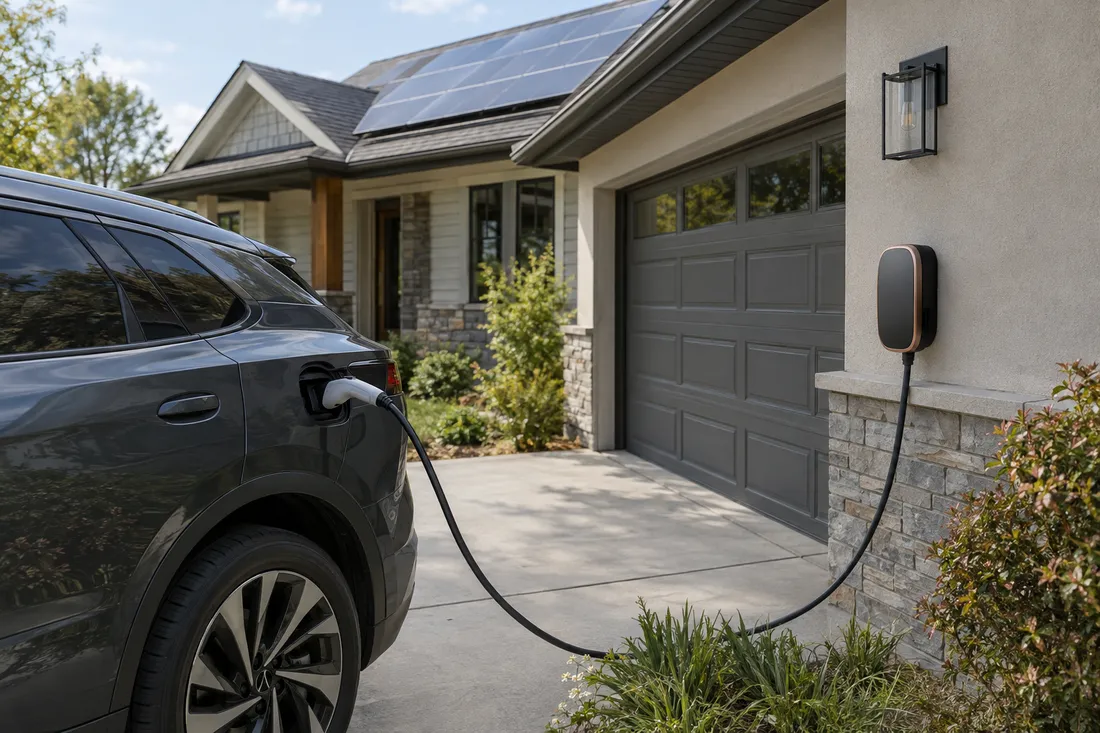
Can rooftop solar panels charge your EV?
Rooftop solar can supply electricity for EV charging, but the useful question is how much energy your car needs and how much your roof can produce. Use your driving and efficiency figures, then check a location-specific estimate and your utility’s rules for exported power.
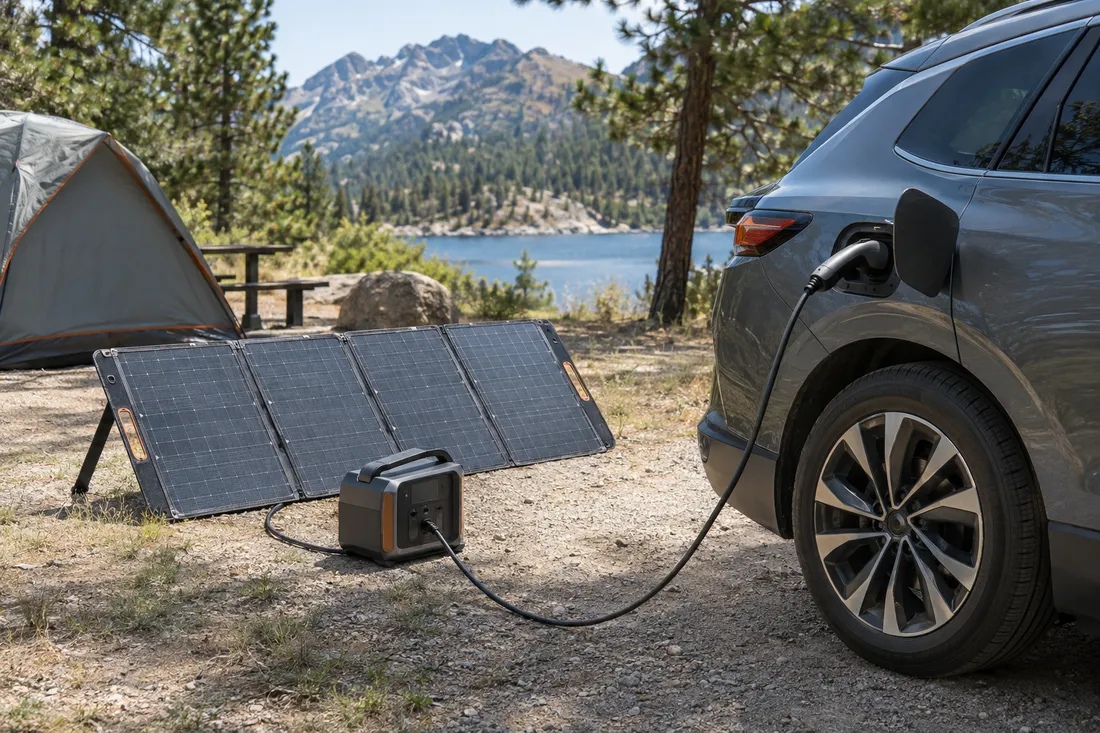
Portable solar panels for EV charging: what the math can—and can’t—do
Portable solar can contribute a small EV top-up, especially at a campsite where you can leave the panels and car parked for hours. The honest calculation starts with panel output and sun, then accounts for losses, equipment limits, and changing weather.
Tools
Calculators for charging time and cost.
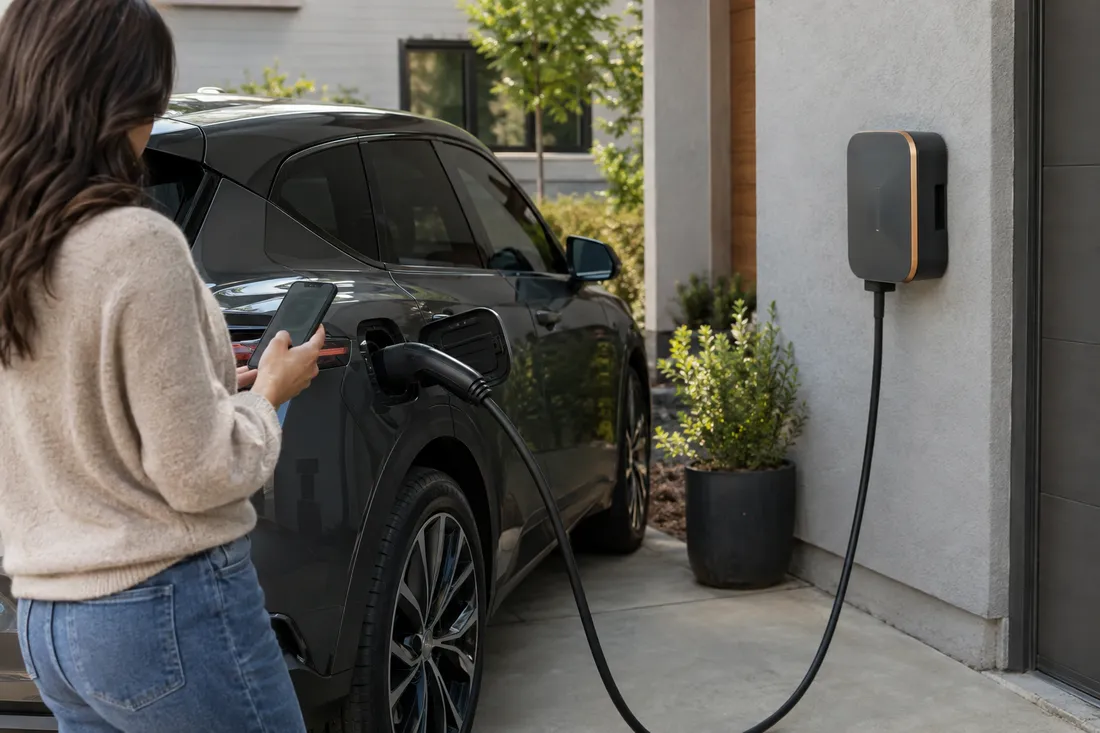
Business
What it costs to open and run EV charging stations.